
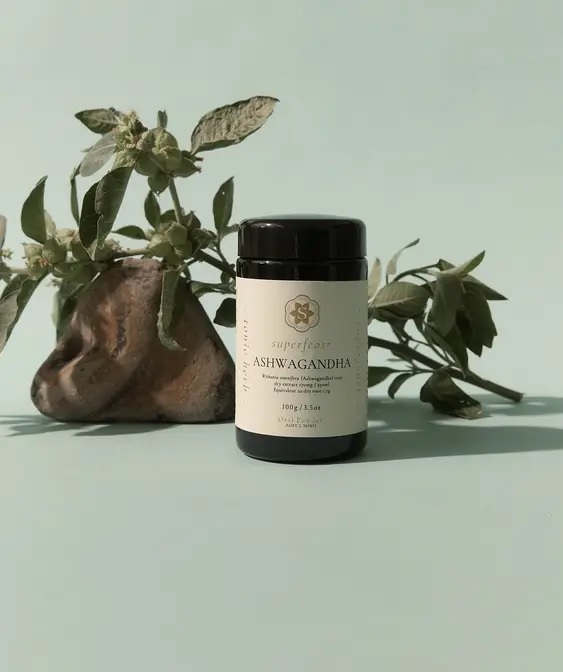
Introduction: The global wellness industry has experienced a surge in popularity over the past decade, with consumers increasingly seeking natural remedies to support their overall well-being. One such herb that has gained significant attention is Ashwagandha. Known for its potential health benefits, Ashwagandha has found its way into various products, ranging from supplements to food and drinks. However, if you’re in Australia or New Zealand, you may have noticed a distinct absence of Ashwagandha-infused food and beverages on the market. In this blog post, we explore the reasons behind the non-permitted use of Ashwagandha in food and drinks in these countries.
Regulatory Landscape: Both Australia and New Zealand have stringent regulations in place to ensure the safety and quality of food and beverages consumed by their populations. These regulations are overseen by Food Standards Australia New Zealand (FSANZ), a government agency responsible for developing food standards and guidelines. FSANZ’s primary focus is to protect public health and safety while promoting transparency and fair trade practices.
Why is Ashwagandha Not Permitted? The prohibition of Ashwagandha in food and drinks stems from several key factors:
- Novel Foods Status: In Australia and New Zealand, Ashwagandha is classified as a “novel food.” Novel foods are defined as substances or ingredients without a history of consumption before 1995. As per FSANZ regulations, novel foods must undergo a stringent safety assessment before they can be legally used in food and beverages. While Ashwagandha has a long history of traditional use in Ayurvedic medicine, it lacks documented evidence of significant consumption as a food or food ingredient before 1995.
- Lack of Safety Data: To obtain approval for novel foods, comprehensive safety data is required. This includes information on potential allergenicity, toxicology, and potential interactions with medications. Currently, there is limited scientific research and safety data available on Ashwagandha, specifically regarding its use in food and beverage products. Without robust scientific evidence, regulatory authorities are cautious about permitting its use in consumable items.
- Standardization and Quality Control: Regulatory agencies are also concerned about ensuring standardized and quality-controlled products for consumer safety. The lack of well-defined standards for Ashwagandha extracts and variations in extraction methods pose challenges in regulating the herb’s content and potency in food and drink products. The absence of standardized testing methods and quality control measures further contributes to the cautious approach towards permitting its use.
The Future of Ashwagandha in Food and Drinks: While Ashwagandha may not be currently permitted in food and drinks in Australia and New Zealand, the situation is not static. With increasing global interest and ongoing scientific research, it is possible that regulatory bodies may revisit their stance on Ashwagandha in the future. The submission of comprehensive safety data, standardized testing methods, and a robust regulatory framework will play vital roles in determining whether Ashwagandha can be used in consumable products.
Alternative Uses and Products: Although Ashwagandha’s use in food and beverages may be restricted, it is still available as a supplement in both Australia and New Zealand. Supplements provide a regulated and controlled way of consuming Ashwagandha, ensuring standardized dosages and quality control.
Conclusion: While Ashwagandha has gained popularity as a potential health-supporting herb, its use in food and drinks is currently not permitted in Australia and New Zealand due to regulatory constraints. The cautious approach taken by FSANZ is primarily driven by the lack of safety data, limited historical consumption evidence, and the absence of standardized testing methods. As research and evidence continue to emerge, there is hope that regulatory bodies will reassess their stance on Ashwagandha in consumable products, potentially opening doors for its incorporation in the future. Until then, those interested in experiencing the potential benefits of Ashwagandha can explore regulated supplements available in the market.