
When it comes to gluten labelling, Australia and New Zealand have some of the strictest regulations in the world. If you’re an importer or manufacturer, it’s crucial to understand these requirements to ensure compliance and protect consumers with gluten-related conditions, such as coeliac disease and dermatitis herpetiformis.
Here’s everything you need to know about oat gluten labelling and how to stay compliant with the Food Standards Code.
Oat Gluten Must Be Declared
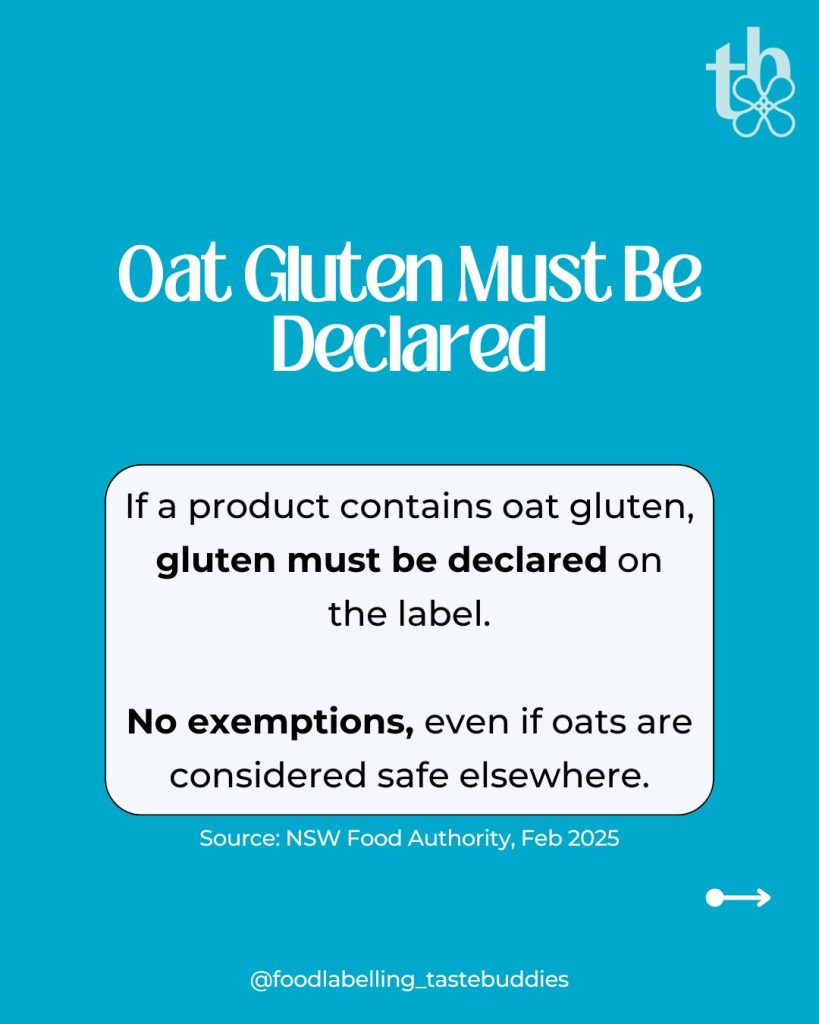
If a product contains oats, gluten must be declared on the label—no exceptions. Even if oats have been processed to remove detectable gluten, they are still classified as containing gluten under FSANZ regulations.
Why Is This Important?
The Food Standards Code defines gluten as the main protein found in:
✔ Wheat
✔ Rye
✔ Oats
✔ Barley
✔ Triticale
✔ Spelt
These proteins can trigger severe immune reactions in people with coeliac disease and related conditions, making clear and accurate labelling essential.
No “Gluten-Free” Claims for Products Containing Oats
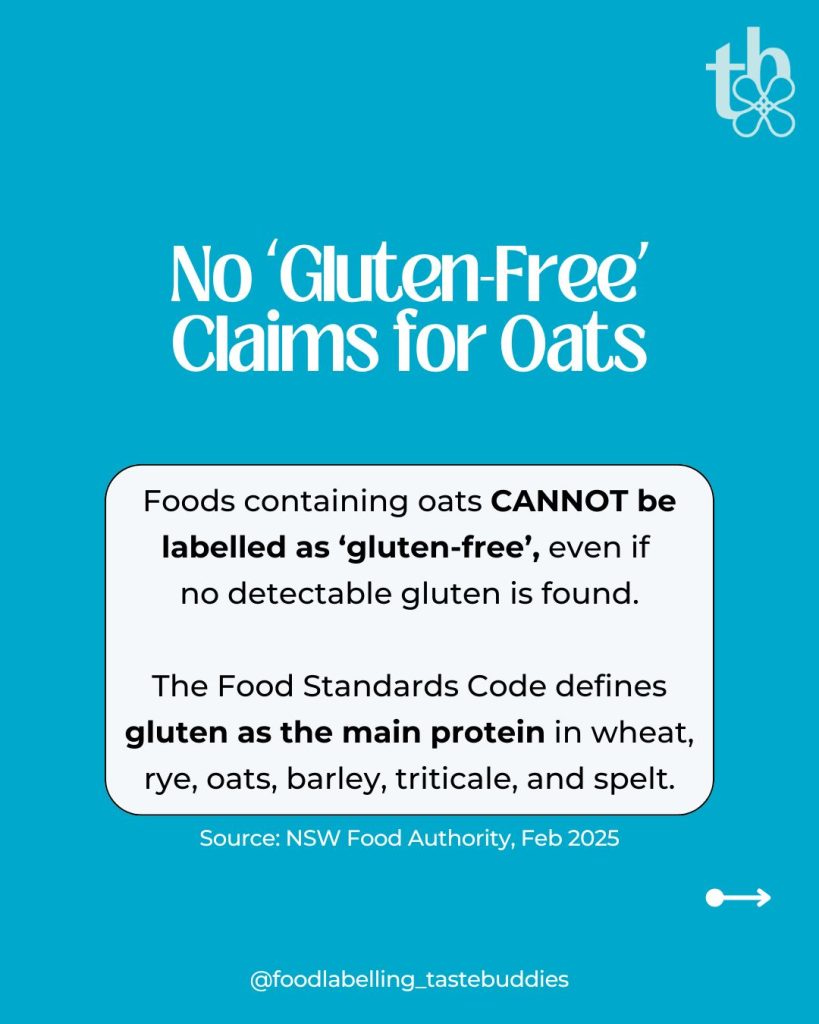
One of the biggest differences between Australia & New Zealand and other countries is that:
🚫 No foods containing oats can be labelled “gluten-free”—even if tests detect no gluten.
This regulation differs from markets such as the US and parts of Europe, where “gluten-free oats” can be legally sold if they meet specific testing thresholds. However, FSANZ maintains a zero-tolerance approach to ensure the highest level of consumer protection.
How Gluten Should Be Declared on Labels

If a product contains wheat, barley, oats, or rye, the word “gluten” must be:
✔ Highlighted in the ingredient list
✔ Included in an allergen summary statement on the label
This ensures consumers can easily identify products that contain gluten, helping them make safe and informed food choices.
Oat Gluten Testing: What You Need to Know
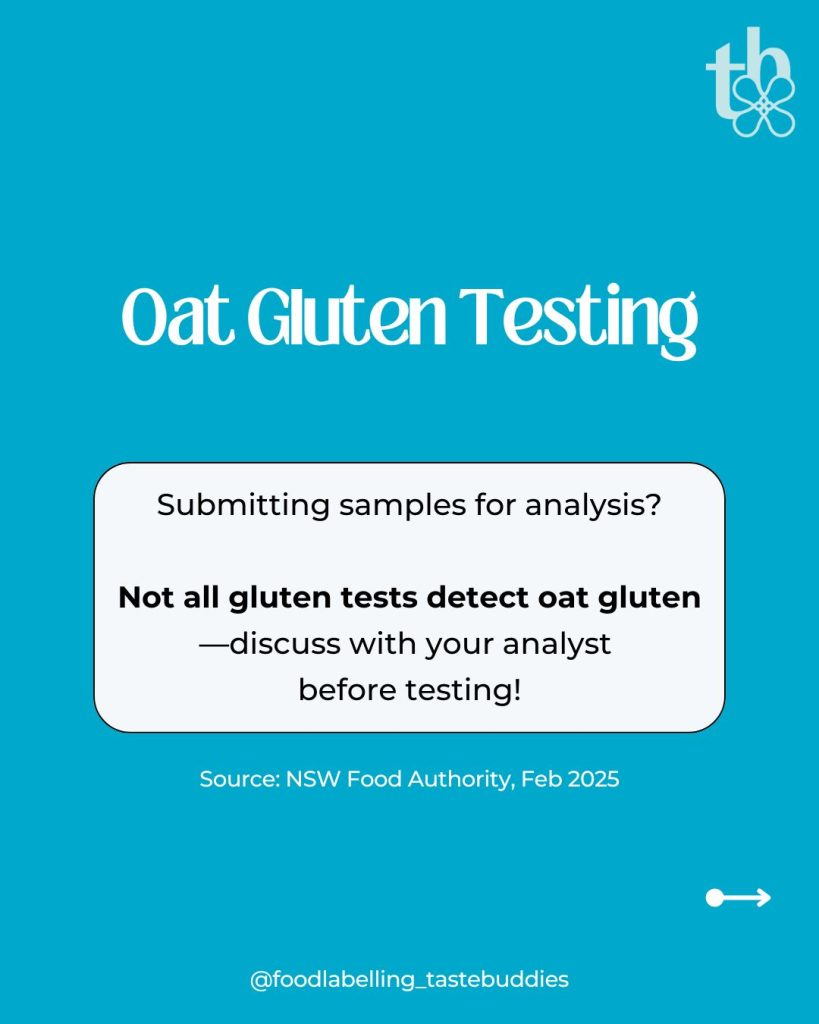
If you’re submitting a sample for oat gluten analysis, it’s essential to:
🔬 Discuss testing methods with your analyst—not all gluten tests detect oat gluten (avenin), so ensure the right method is used.
Using an incorrect test could lead to mislabelling, putting consumers at risk and exposing your brand to regulatory non-compliance.
Why Compliance Matters
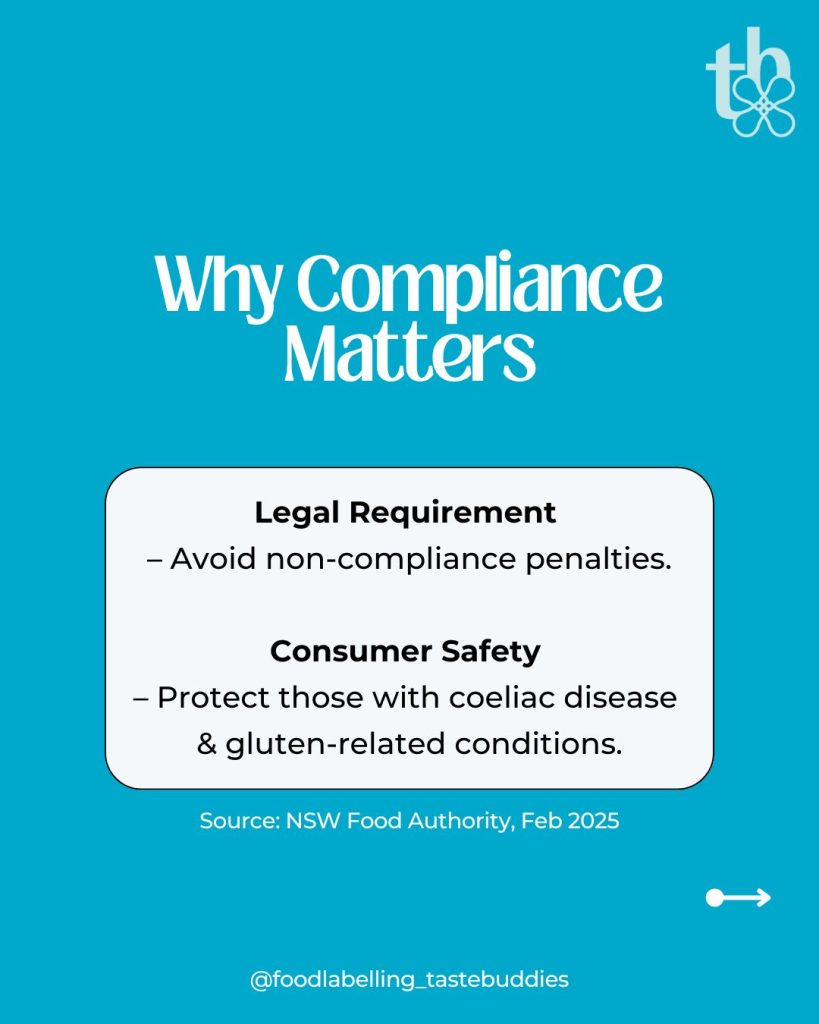
Beyond regulatory requirements, gluten labelling is about consumer safety. People with coeliac disease and gluten sensitivities rely on accurate, transparent labelling to avoid serious health risks.
✅ Following FSANZ guidelines ensures:
- Legal compliance—avoiding penalties and recalls
- Consumer trust—ensuring people with gluten-related conditions can make safe choices
- Brand credibility—demonstrating a commitment to food safety and transparency
Stay Compliant & Protect Your Consumers
Navigating FSANZ regulations can be complex, but ensuring correct gluten labelling is essential. If you need expert guidance on labelling compliance, product testing, or regulatory updates, we can help.